
 0
 0
The term “peer” often refers to people one knows in real life and who have a similar social status to oneself. However, peer pressure can also be exerted by the larger culture. For example, television shows can convey which of the following is a type of indirect peer pressure? to the public an acceptable way to behave, even though the people on TV do not know every individual they are influencing. Peer pressure is any type of influence, positive or negative, that comes from a peer group.
- She looked bored and detached as she followed her friends Suki and Jill out of the store, but inside she felt panicked.
- For example, you may feel pressure to do unsafe things that have risks you may not fully know.
- In other words, teens with friends who smoke are more likely to also smoke.
- What starts out as positive peer pressure may become negative pressure if it leads a person to over-identify with sports, for example, putting exercise and competition above all else.
- They want to be liked and they worry that they may be left out or made fun of if they don’t go along with the group.
In Sexual Situations
Peer pressure can play on certain strengths or challenges that an adolescent already faces. From the beginning, parents work to teach their children how to make healthy decisions. But as children age, parents’ influence decreases and the opinion of peers becomes more and more important. Social pressure can affect a wide range of thoughts, actions and behaviors, from academic performance to substance use to mental health. As much as we may wish that we could teach our kids to say “No! ” to friends who engage in behavior we don’t like, that isn’t always realistic.
- As teens navigate peer culture, parents play an important role in preparing them with the social skills needed to make their own smart choices and avoid peer pressure.
- Peer pressure causes people to do things they would not otherwise do with the hope of fitting in or being noticed.
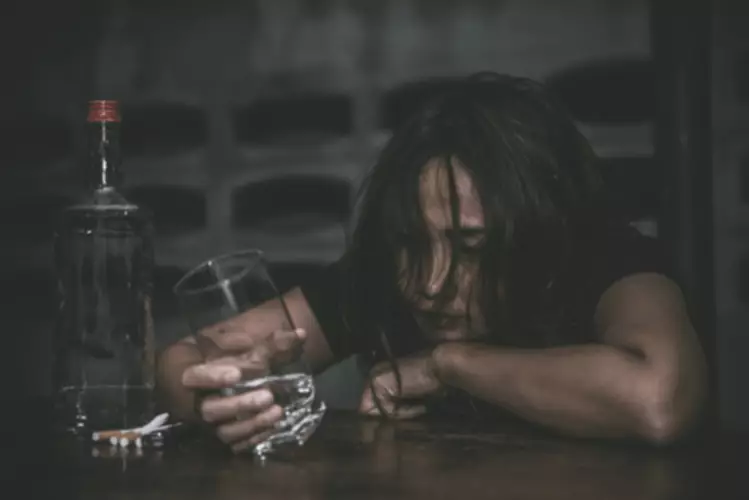
- Giving in to the pressure to dress a certain way is one thing — going along with the crowd to drink or smoke is another.
- As your child goes through elementary school, talk with them about smoking, drugs, and alcohol.
- Check out the following examples of peer pressure and consider some tips for dealing with them.
Teach Teens Coping Strategies
No matter your age, you can practice not giving in to negative peer pressure and work on surrounding yourself with more positive influences. Being pressured by peers can be a stressful experience, whether it happens in person or online. It may shake your sense of identity and self-confidence and may contribute to excessive worry. In addition, prolonged exposure to this type of stress and tension may be a factor in mental health concerns such as anxiety and depression.
If you’re feeling pressured to go along with your mates and aren’t sure what to do, we can help you figure it out.
How to deal with negative peer pressure – Citizen Digital
How to deal with negative peer pressure.
Posted: Tue, 10 Oct 2023 07:00:00 GMT [source]
They tend to teach the “whys” behind avoiding drugs, offer social skills to refuse drugs, and give opportunities to practice those skills over time. We can draw from these successful programs and from our own life experience, to empower teens to say “No” effectively. Consider these 8 tips as you prepare your teen to face peer pressure. It’s essential to understand most peer pressure isn’t like it looks in movies or TV shows. It is driven by a desire to feel “normal,” a need that heightens during adolescence.
Teach Teens to Stay Away

By seeing someone else do something positive, even if it’s challenging, you may reflect on your own life choices, goals, and where you spend your time. Finally, peer pressure can be described as either positive or negative. Positive peer pressure is when a person is influenced by others to engage in a beneficial or productive behavior. The Teen Recovery Program addresses both mental health and substance abuse issues in an intensive outpatient level of care setting specifically designed for teens. The Children’s Health pediatric psychiatry and psychology department provides comprehensive services to support children’s and teens’ mental health. Changing hormones, developing brains and emerging identities makes the start of adolescence a particularly vulnerable time, where peer pressure is most influential.
However, there is still a standard set by the group to behave in a certain way. If your friends are always bugging you to do something you’re not comfortable with, remember that true friends like you for who you are, not who they want you to be. Supporting others’ opinions will send the message that you think for yourself.
At this age, research suggests, group dynamics begin to form among children, and some may be excluded from the larger group. Children may begin to worry about balancing a sense of loyalty to their friends with compassion and fairness to others. Young people may be more susceptible to peer pressure because their identities are still forming; they desire to fit in and not be bullied and have less risk aversion than adults. You can experience peer pressure from people without them saying anything to you, and you can experience it from direct remarks made by others.
It may also be a threat, such as, “You can’t hang out with us if you’re not going to drink.” Seek out relationships with those who lift you, not drag you down. You’ll feel less alone when pressured if you have even one friend committed to avoiding risky behaviour, too. Role modeling good emotional self-regulation may also help your child stick to their own values when it comes to peer pressure. Self-regulation involves the ability to control thoughts, emotions, and behaviors in order to manage current behavior and achieve long-term goals. In turn, your friend might reconsider criticizing people based on their appearance.
Peer Pressure Beyond Childhood


Average Rating